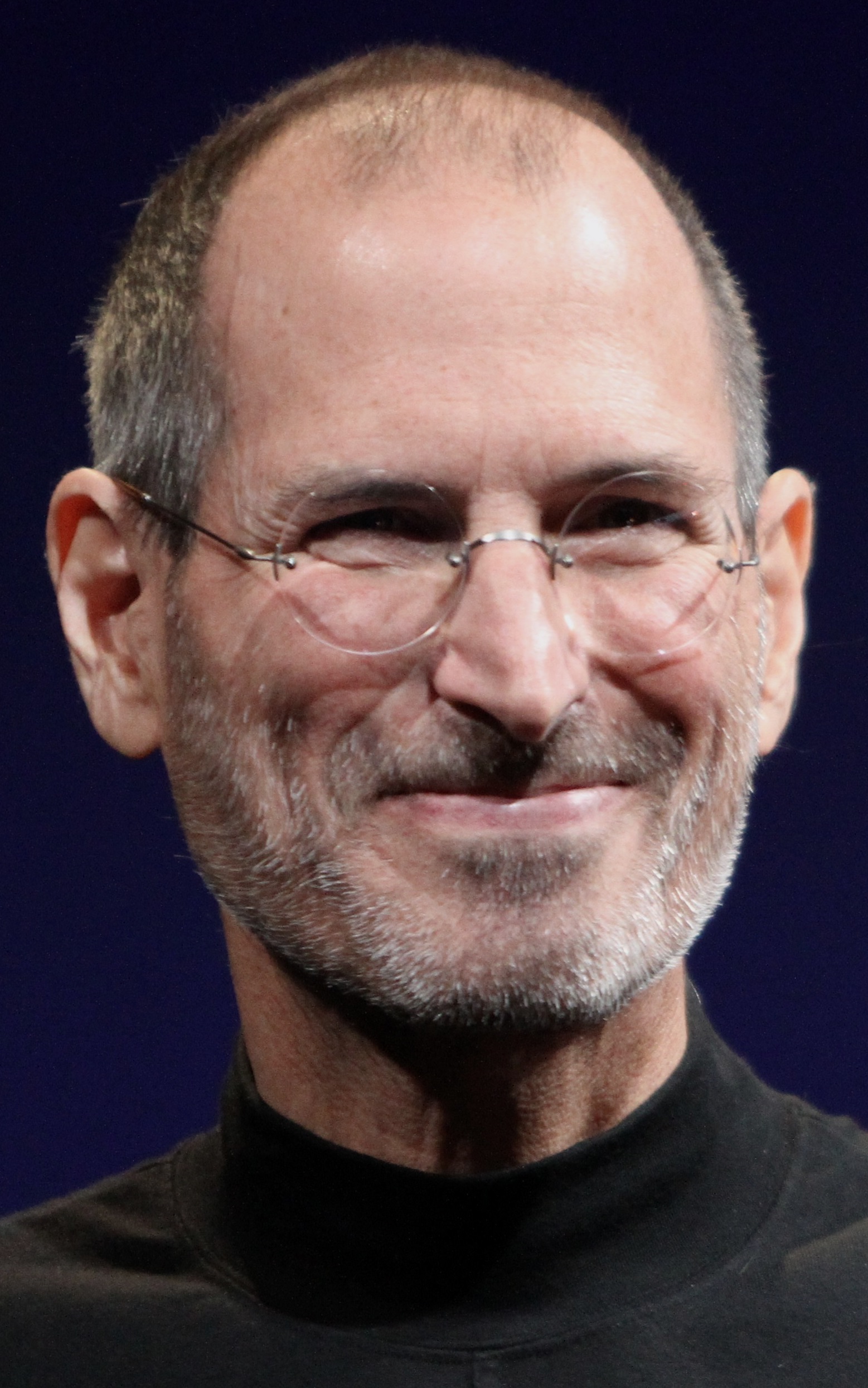
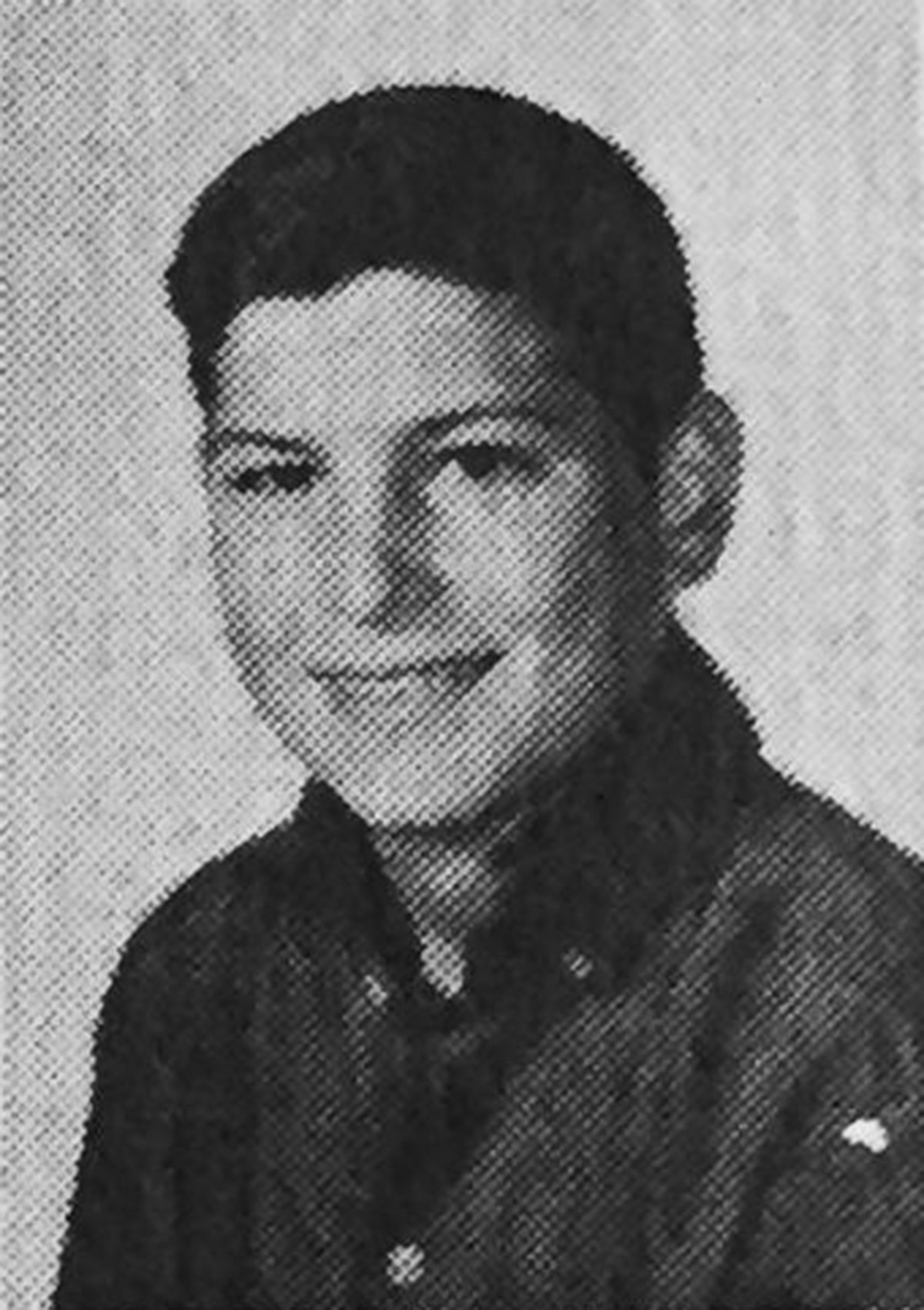
Born in San Francisco on February 24, 1955, and adopted as a baby by Paul and Clara Jobs. Paul was a machinist who rebuilt cars in the garage and showed his son how to care about the back of a cabinet nobody would ever see.
Best with sound
February 24, 1955 — October 5, 2011
Scroll
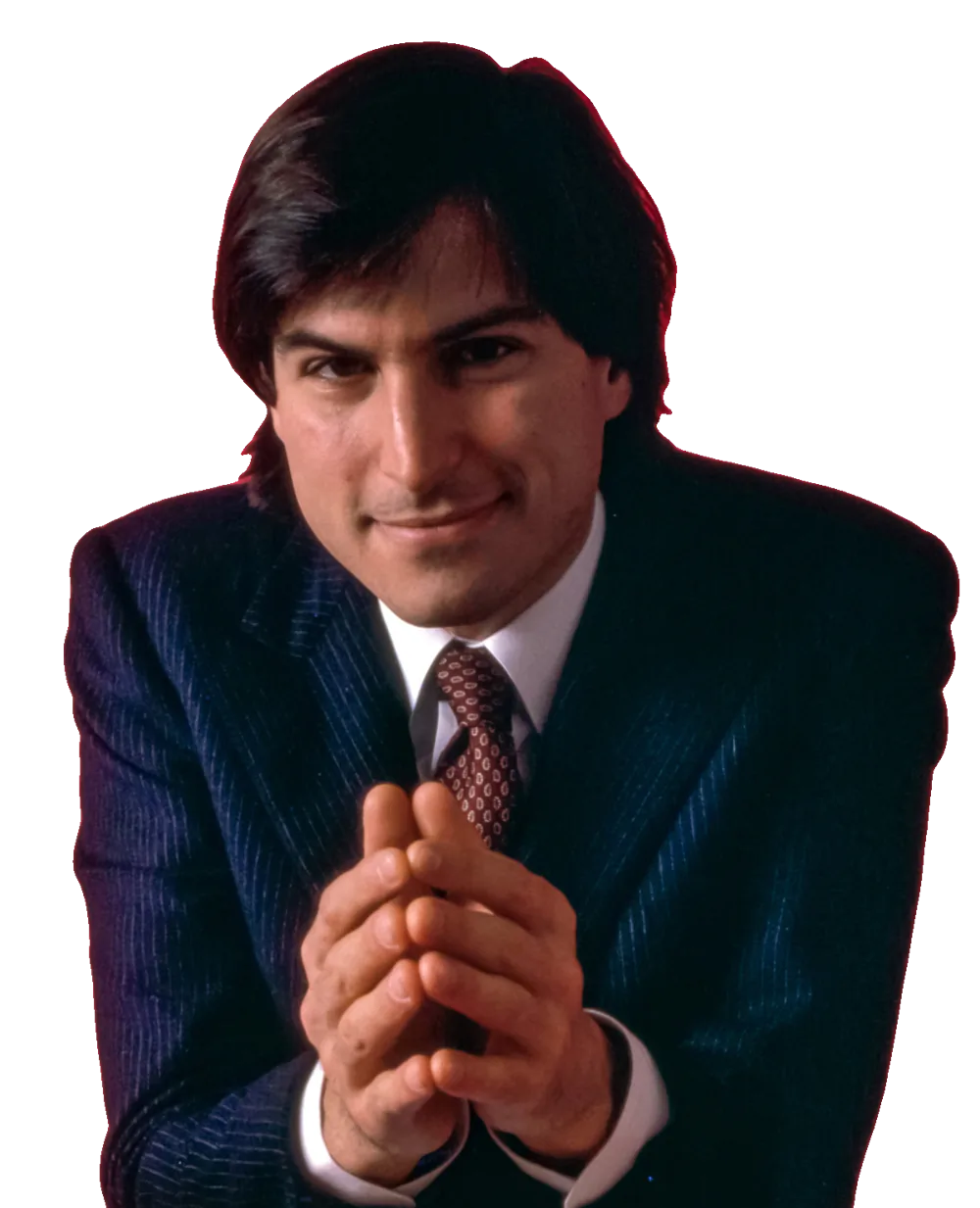
He was adopted, dropped out, got fired from the company he started and came back to save it. Fifty-six years that put a computer on the desk, music in the pocket and the internet in the palm of a hand.
The story
1. The Garage
1955 — 1985
Born in San Francisco on February 24, 1955, and adopted as a baby by Paul and Clara Jobs. Paul was a machinist who rebuilt cars in the garage and showed his son how to care about the back of a cabinet nobody would ever see.
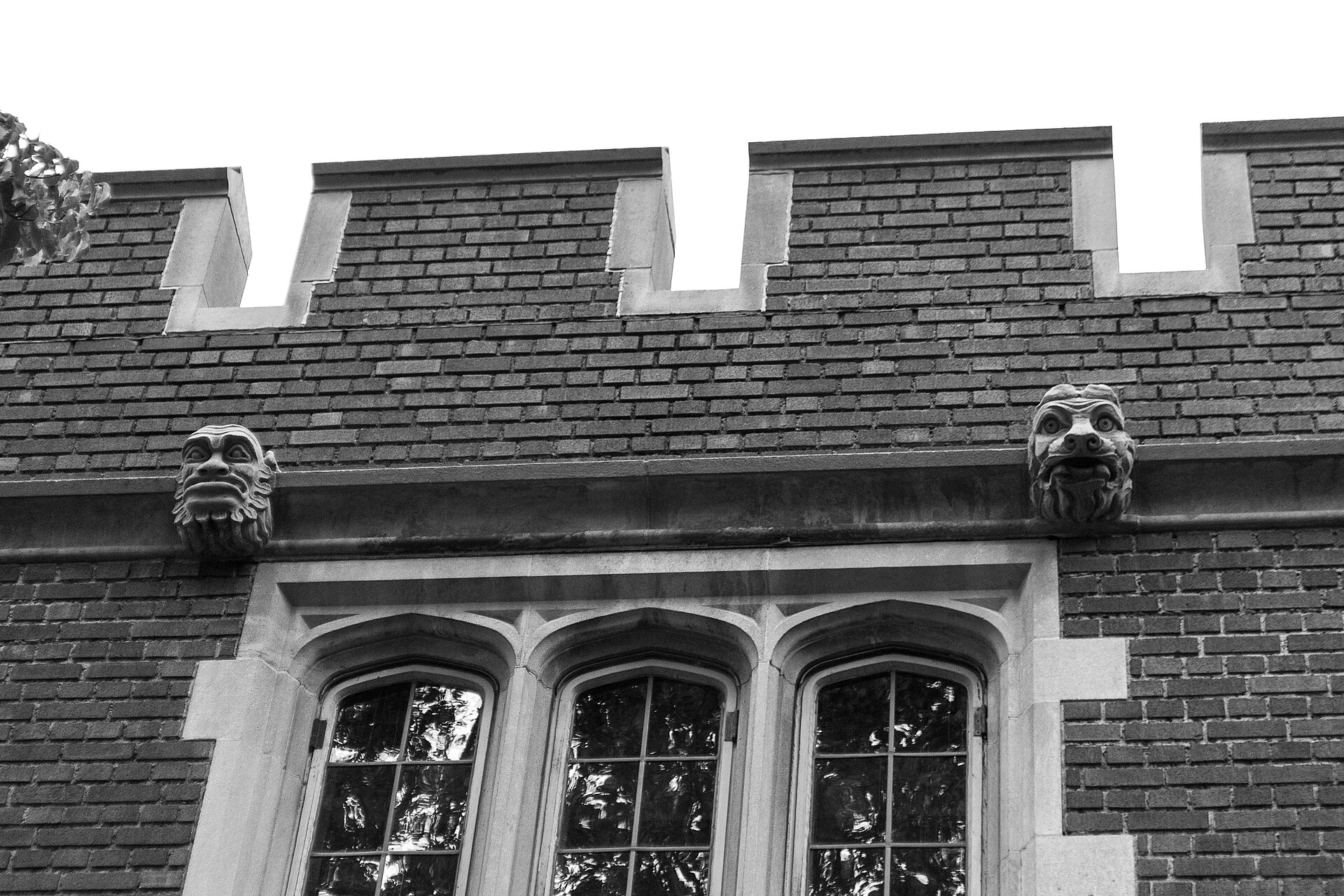
Reed College, Portland. He dropped out after one semester and kept turning up anyway, sleeping on friends’ floors and sitting in on a calligraphy class. Serifs and spacing seemed useless at the time.
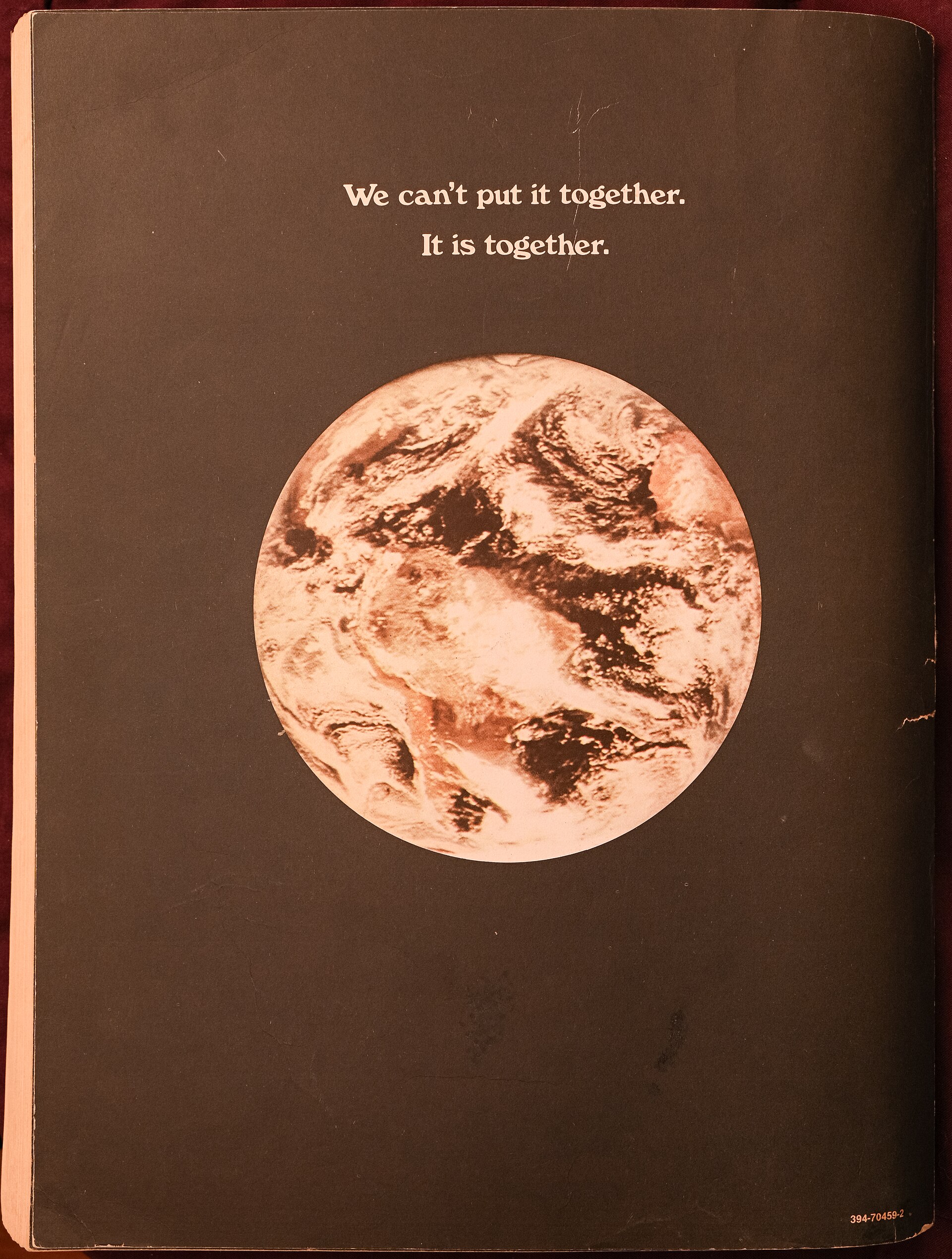
A night shift at Atari, then months in India looking for something he couldn’t name. At home he read the Whole Earth Catalog, which signed off its final issue with four words he would later borrow.
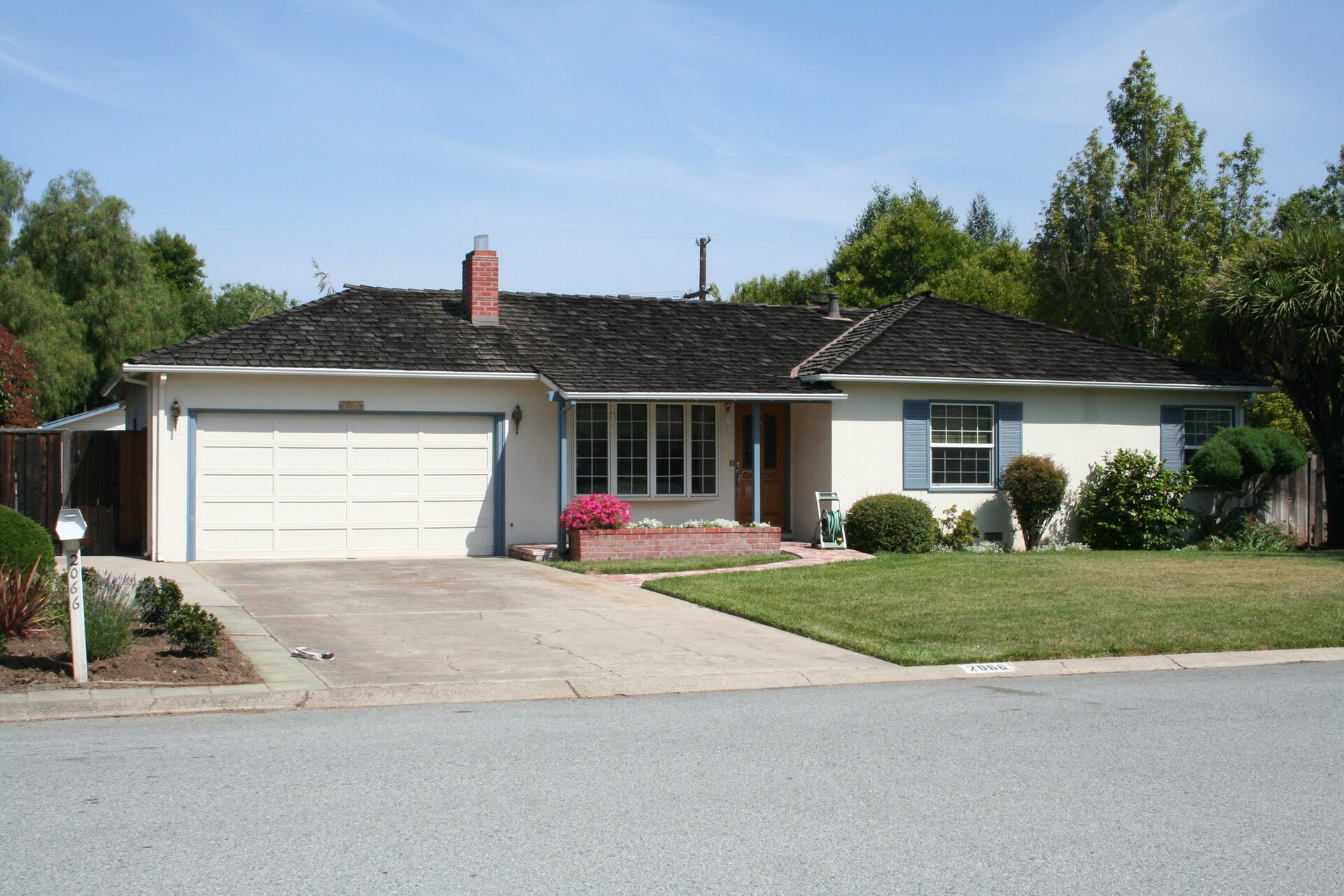
On April 1, 1976, he founded Apple Computer with Steve Wozniak and Ronald Wayne. The family home on Crist Drive became the first workshop. The first machine sold as a bare circuit board for $666.66.
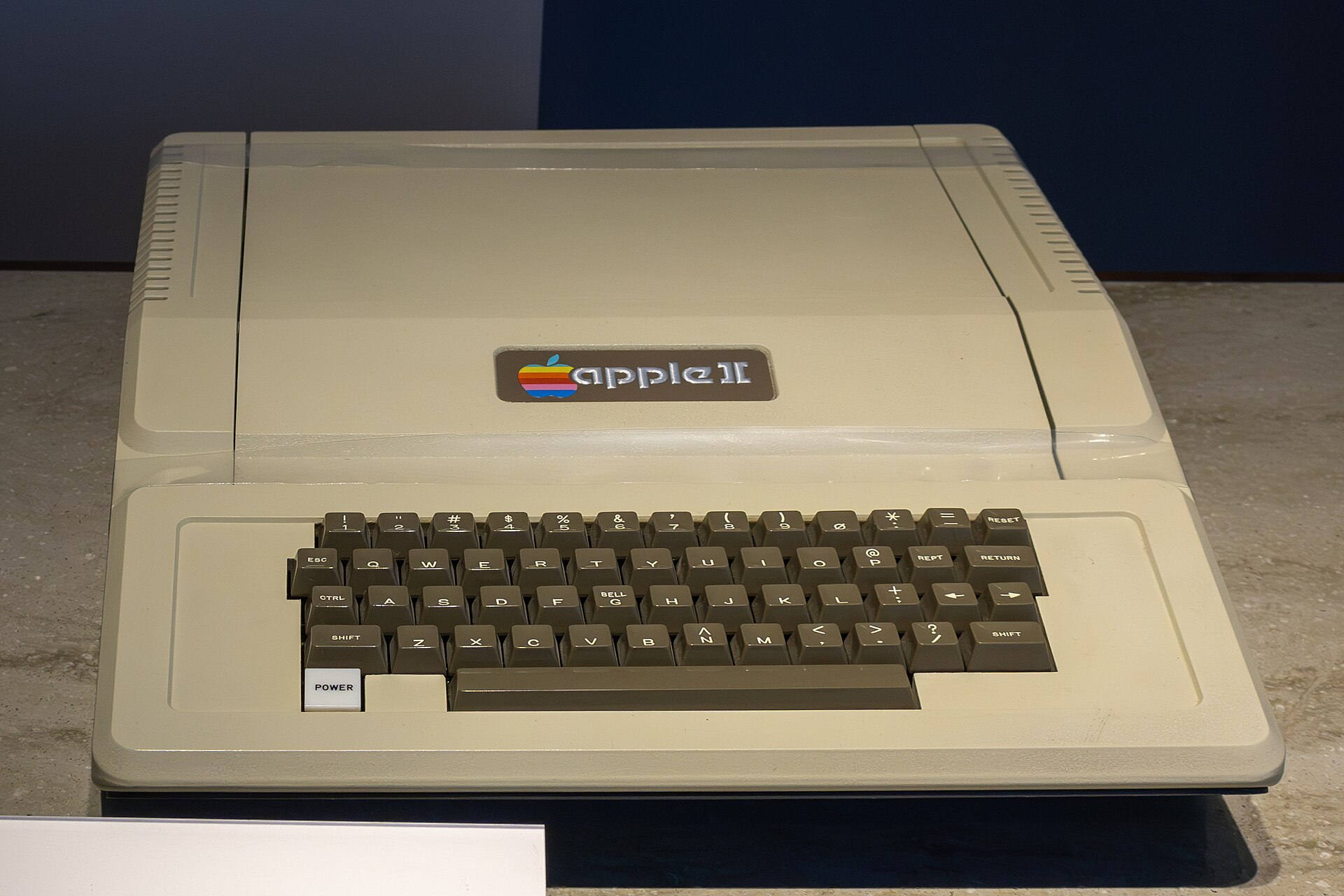
The Apple II arrives at the West Coast Computer Faire in a moulded plastic case, ready to use out of the box. It is the first personal computer many families ever own.
Apple goes public in December. At twenty-five, the kid from the garage is worth more than two hundred million dollars, and already restless for the next thing.
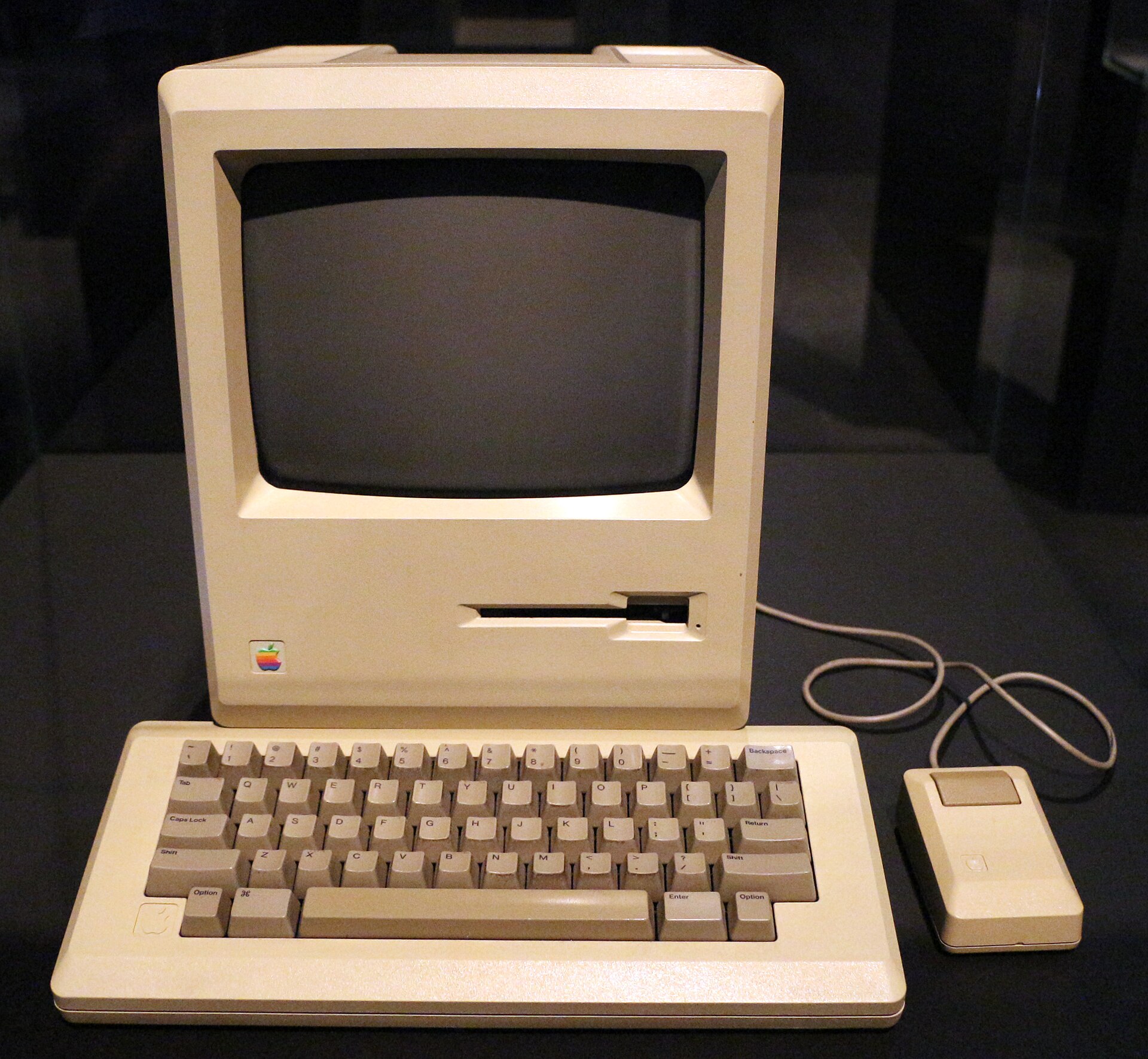
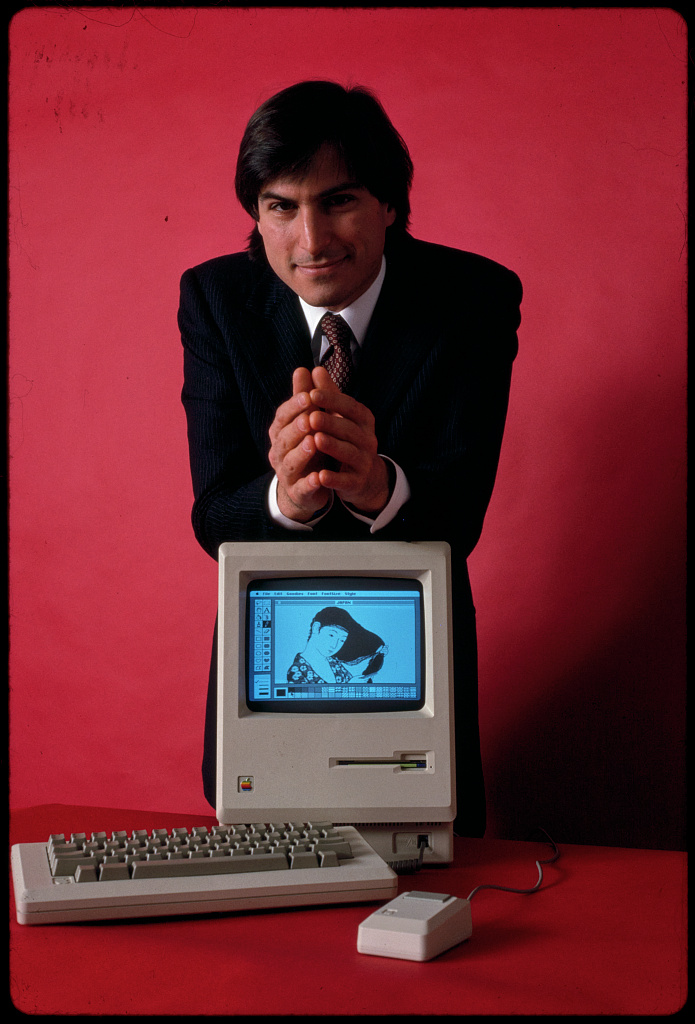
January 24, 1984. He pulls a small beige computer out of a bag and lets it introduce itself. Proportional fonts, a mouse, windows you could drag. The calligraphy class finally made sense.
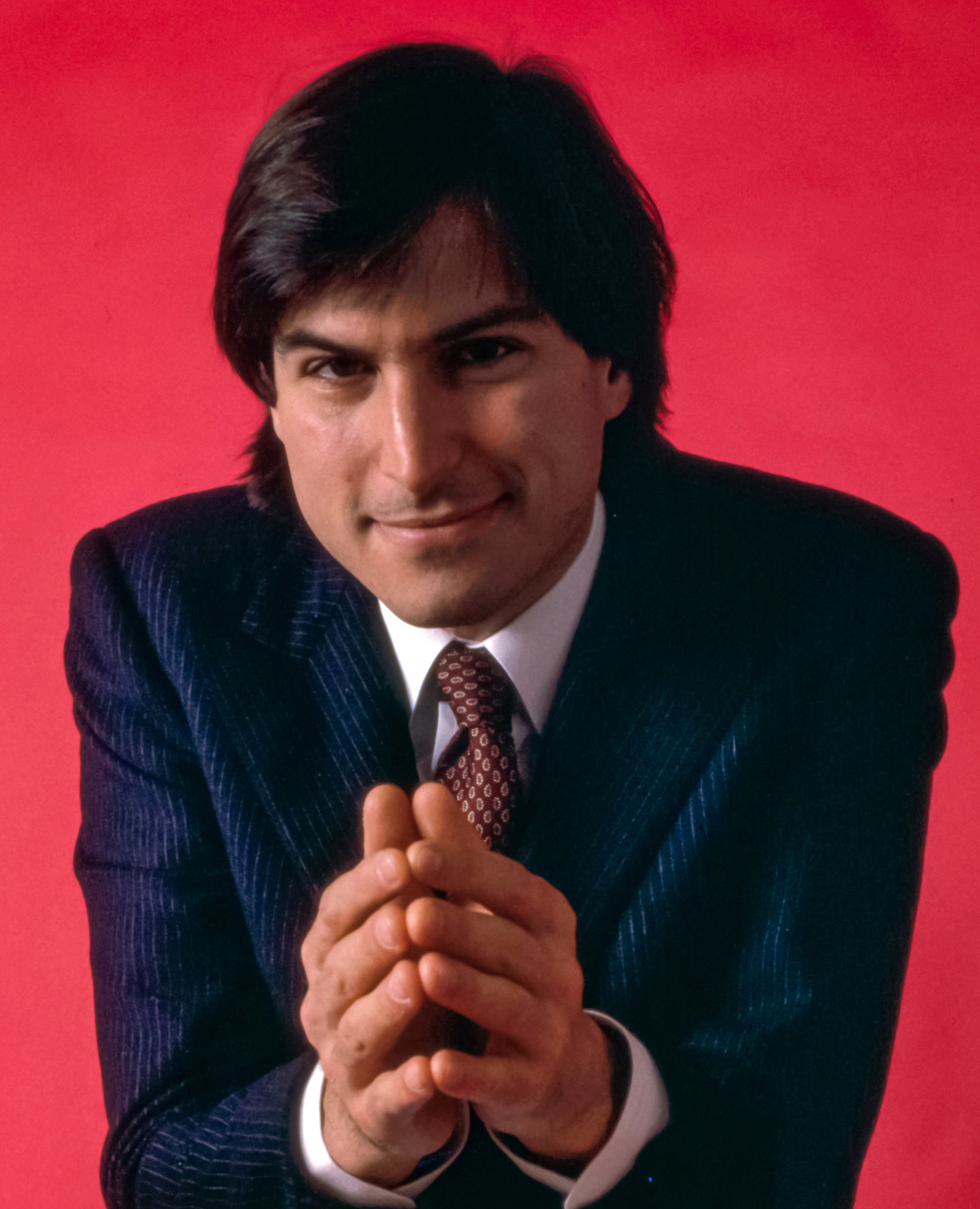
A boardroom fight with John Sculley, the CEO he had recruited from Pepsi, ends with Jobs stripped of the Macintosh team. In September he resigns. He is thirty years old.
1985
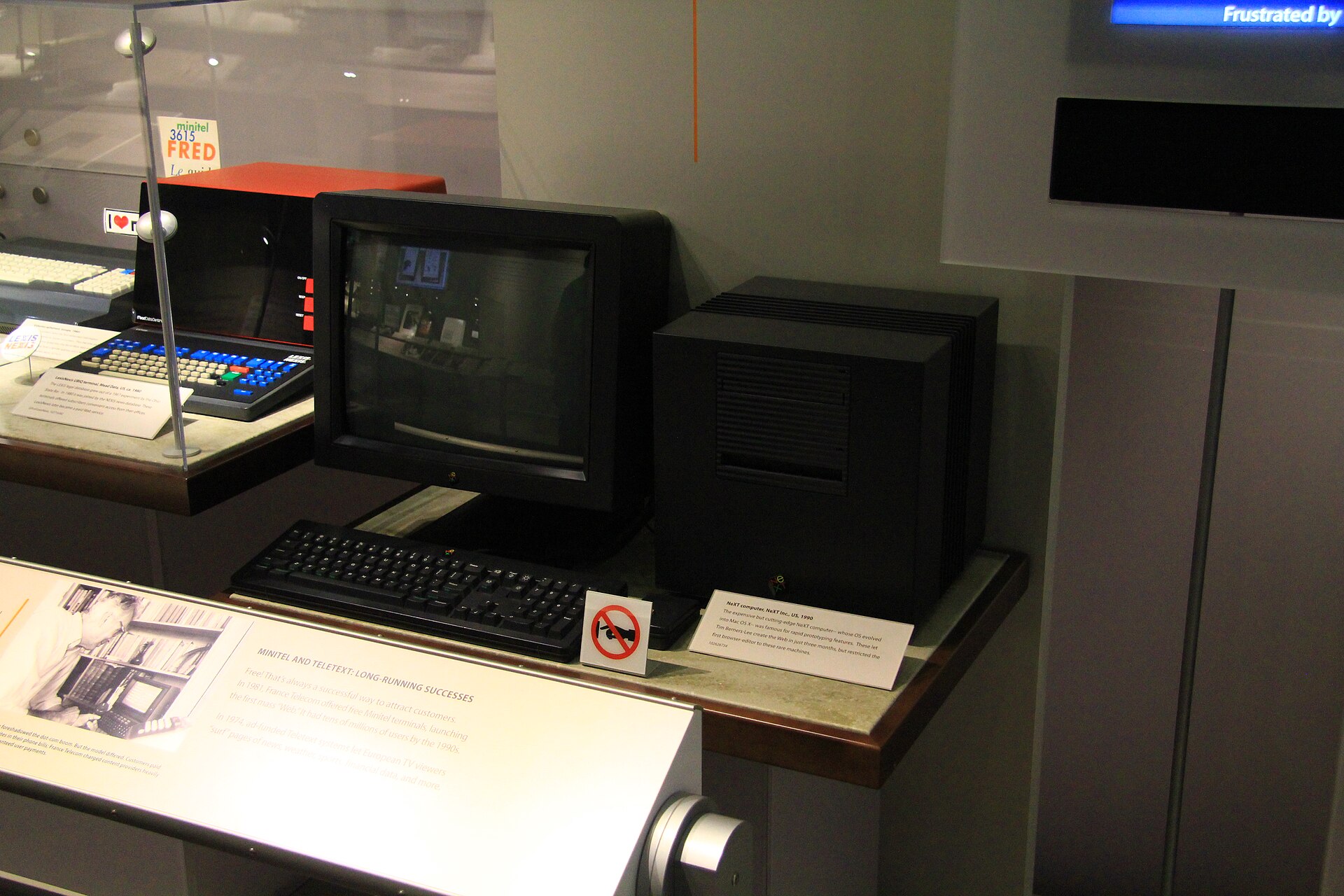
NeXTSTEP
NeXT builds a one-foot magnesium cube for universities. It sells poorly. Then, at CERN in 1990, Tim Berners-Lee uses one to write the first web browser and the first web server. The software inside it will outlive the box by decades.
Apple
Buys
NeXT
for
$429M
December 20, 1996. Apple needs a modern operating system and buys the company that has one. The founder comes with it, as an adviser. Within months he is running the place.
2. The Wilderness
1985 — 1997
He sells all but one of his Apple shares and starts NeXT. The logo alone costs $100,000. Every detail, down to the inside of the factory, is held to the same impossible standard.
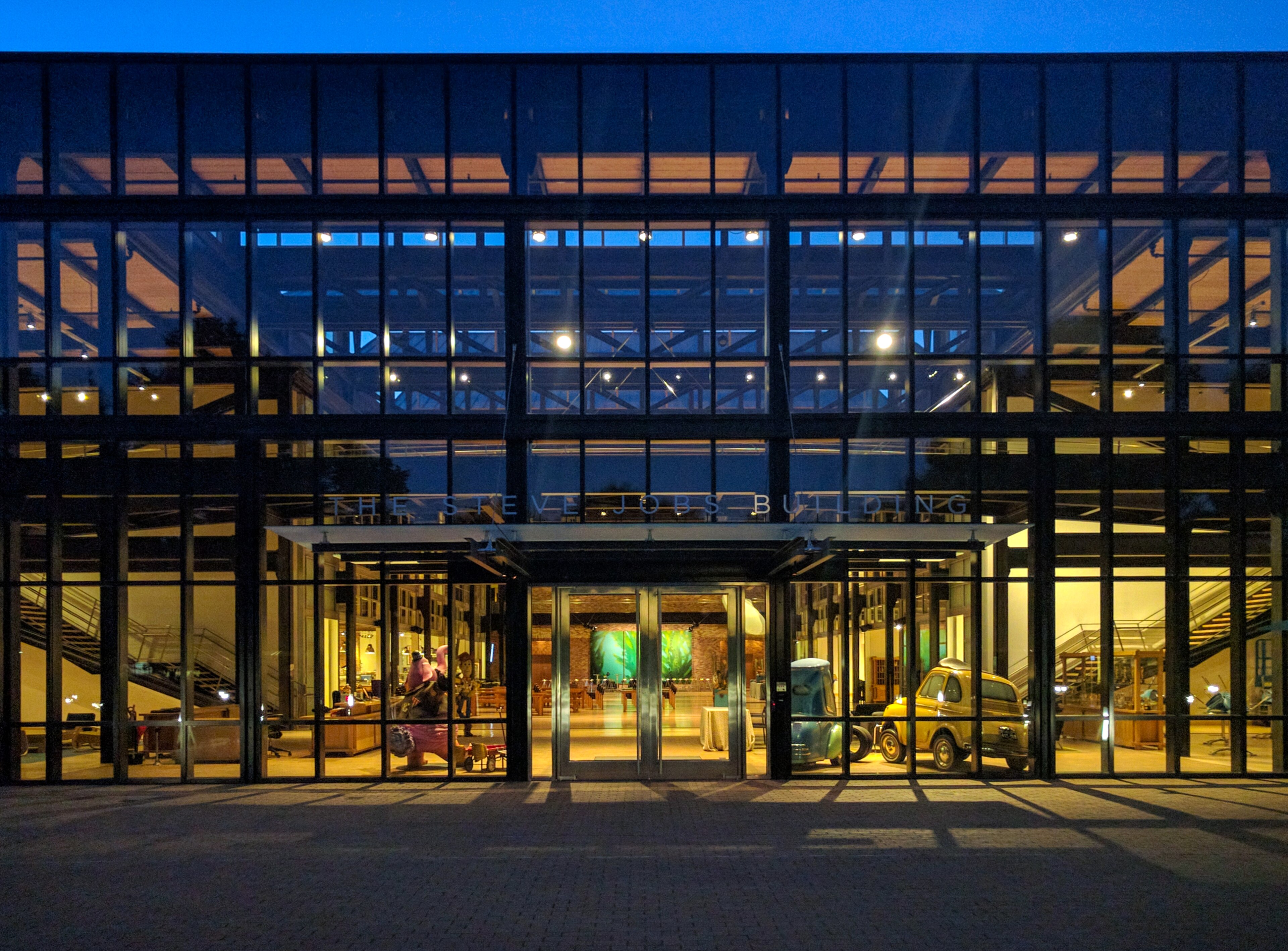
He pays Lucasfilm for its small computer graphics group and calls it Pixar. For years it sells hardware and makes short films, and he keeps writing cheques to keep it alive.
He marries Laurene Powell at Yosemite. He had met her after giving a lecture at Stanford, skipped a dinner meeting and taken her out instead.
Pixar releases the first feature film made entirely on computers. A week later the company goes public and the bet he spent a decade funding is worth over a billion dollars.
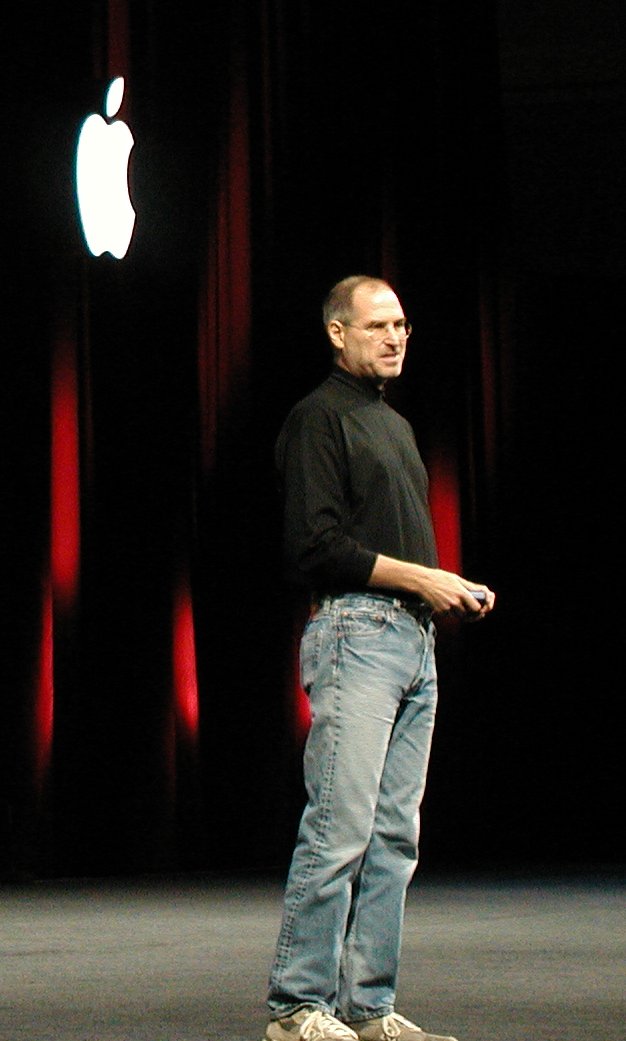
Apple loses over a billion dollars in a single year. In September the board makes him interim CEO. He cuts the product line from dozens of models down to four.
1997
3. The Return
1997 — 2011
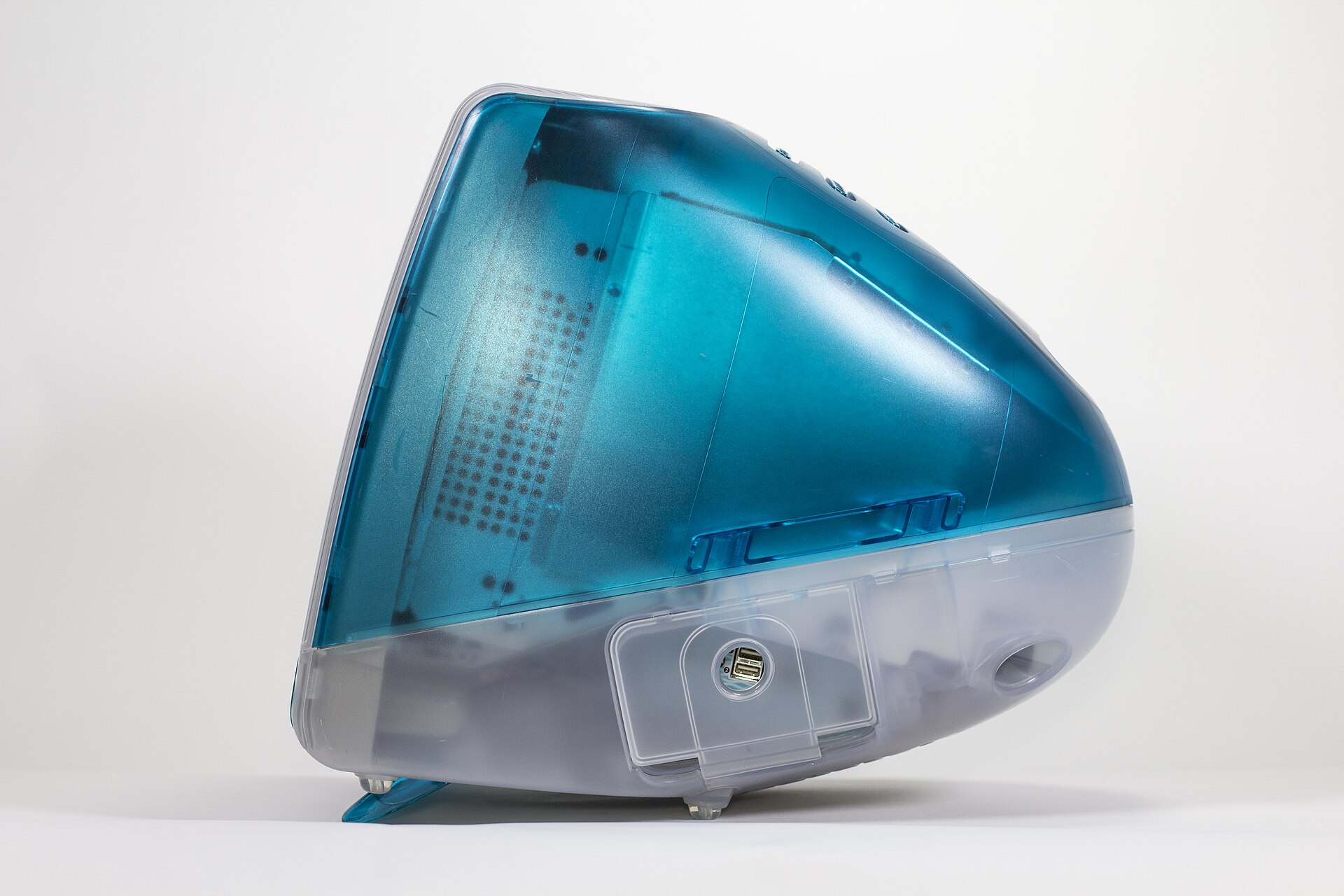
The iMac. A translucent, egg-shaped computer with a handle on top, no floppy drive and one cable to the internet. It becomes the fastest-selling Mac Apple has ever made.
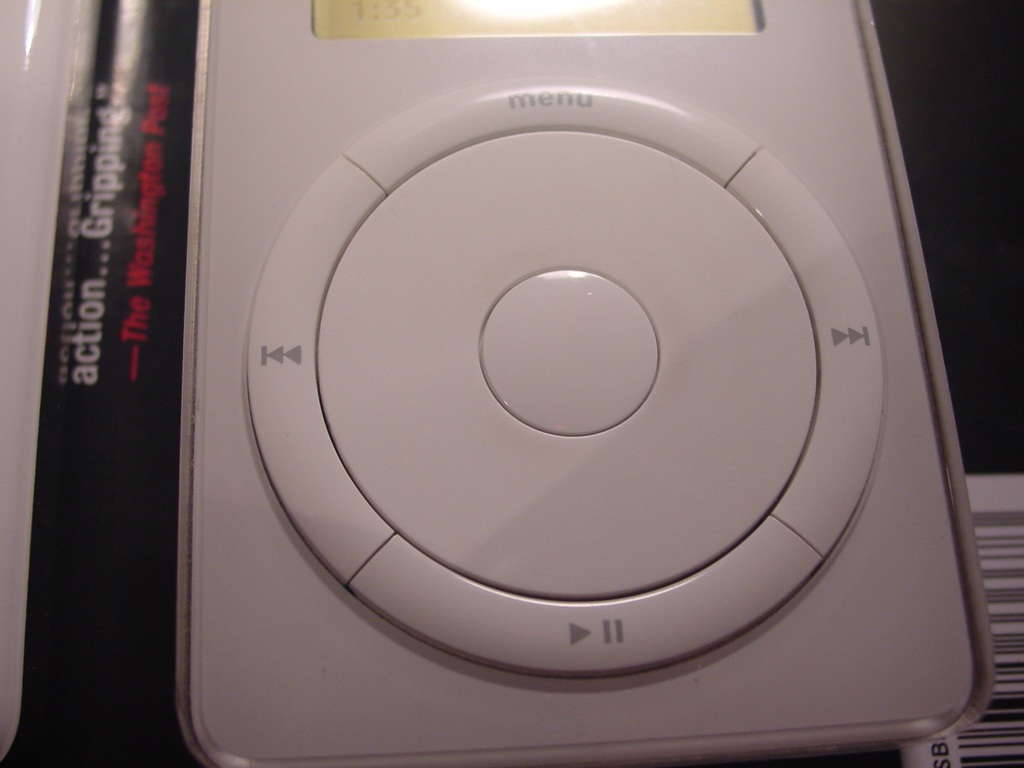
Apple opens its own shops in May. In October a white music player with a scroll wheel fits a whole record collection in a shirt pocket.
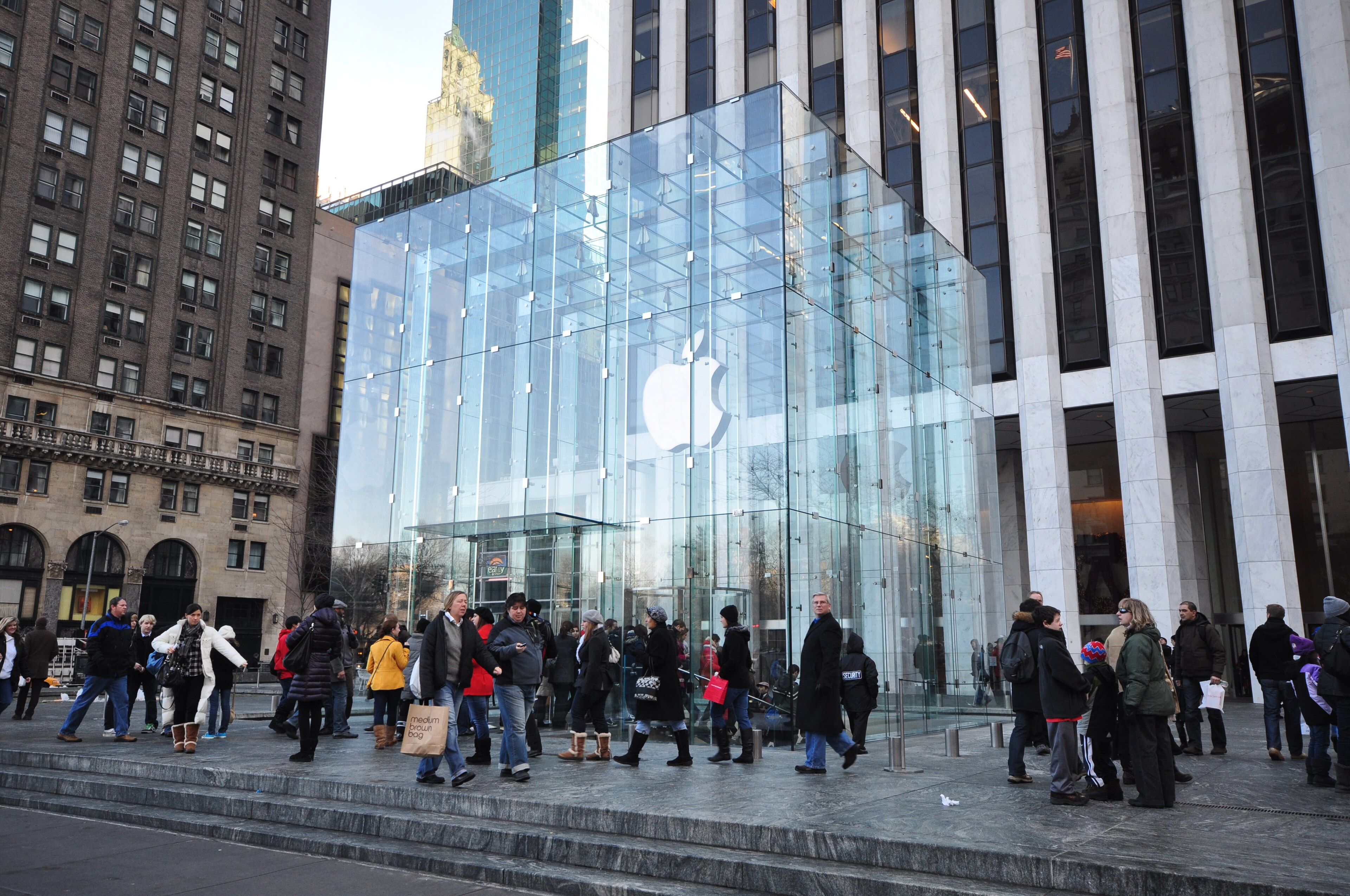
The music store opens with songs at 99 cents each and persuades a frightened record industry to sell online. That autumn a scan finds a tumour on his pancreas.
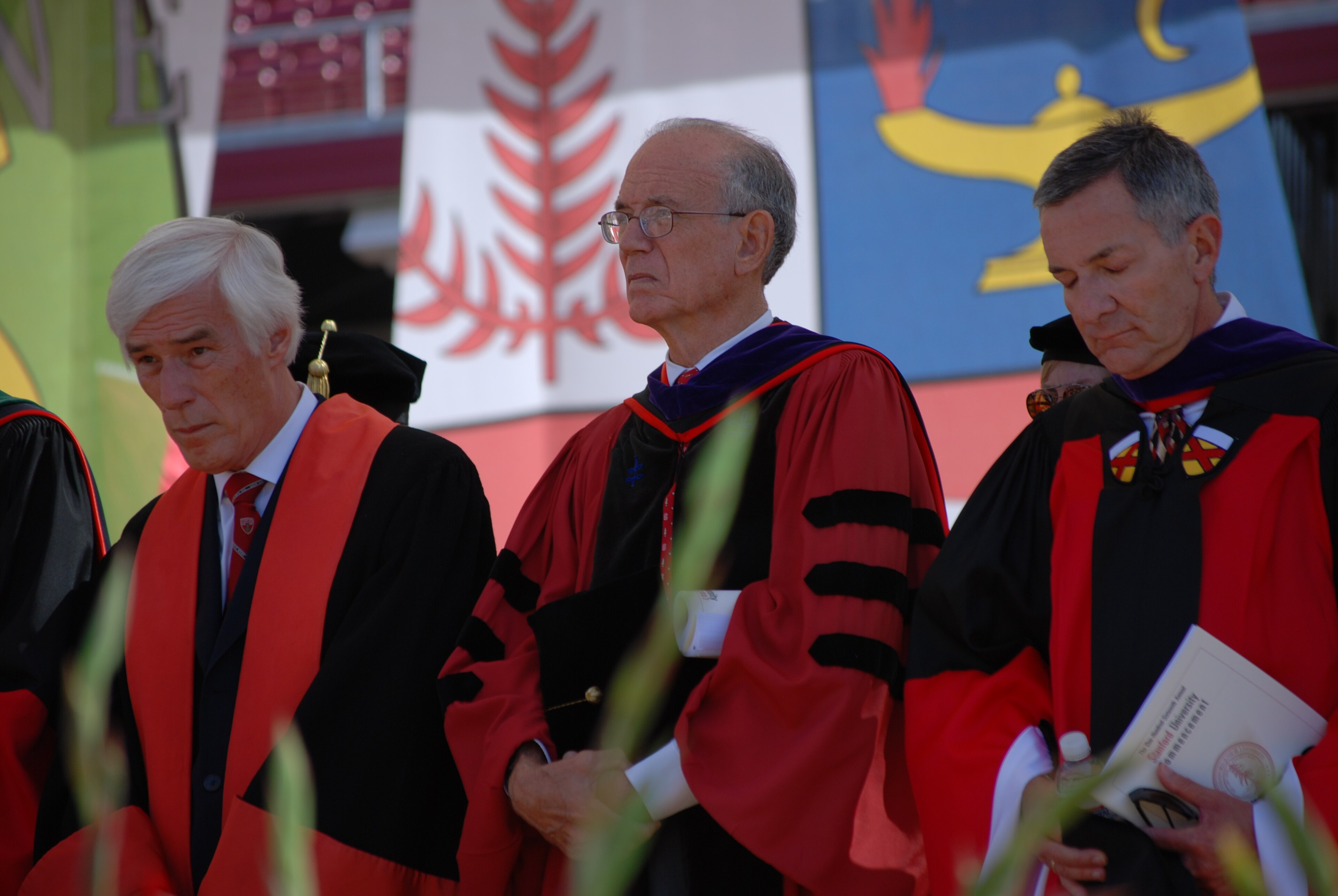
He gives the commencement address at Stanford: three short stories about dots, loss and death, and the speech outlives every keynote he ever gave.
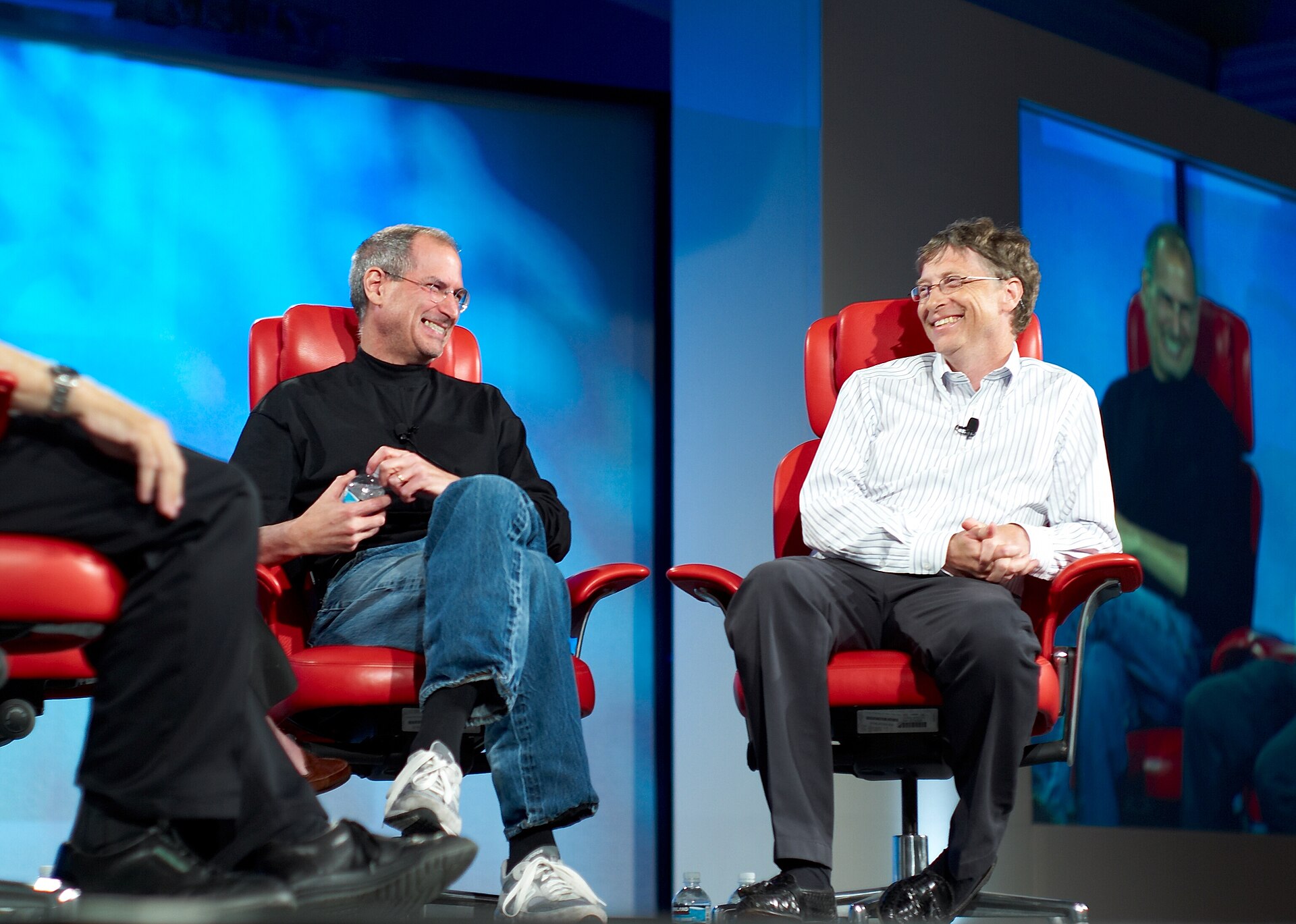
On stage beside Bill Gates, thirty years of rivalry fit into one long laugh. Months earlier he had shown the world a phone.
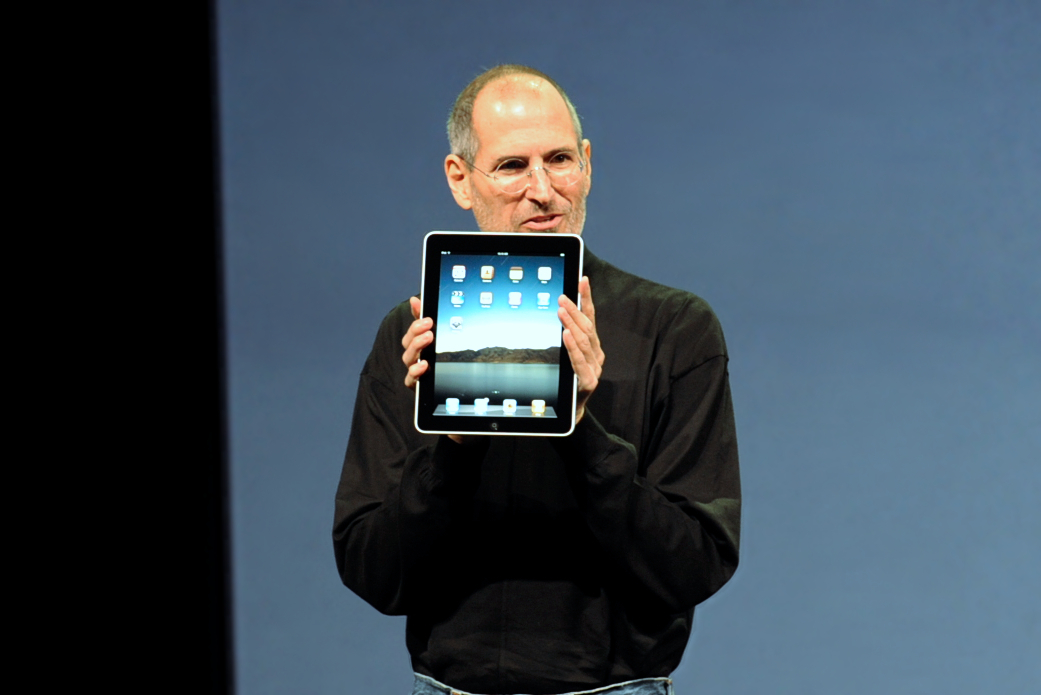
He sits in a leather armchair on stage and reads the web on a sheet of glass. The tablet he had wanted since the eighties finally ships.
On August 24, 2011, he resigns as CEO and hands the company to Tim Cook. Six weeks later he is gone.
( Stanford Stadium, June 12, 2005 )
They never line up in advance, only in hindsight. A class he audited after dropping out became the typefaces on every Mac.
Losing Apple hurt. It also cleared the way for NeXT, for Pixar and for the family he started with Laurene.
A year after the diagnosis he asked the graduates to treat their time as short and to spend it on a life of their own choosing.
He closed with the same four words the Whole Earth Catalog had used to say goodbye. Stay hungry. Stay foolish.
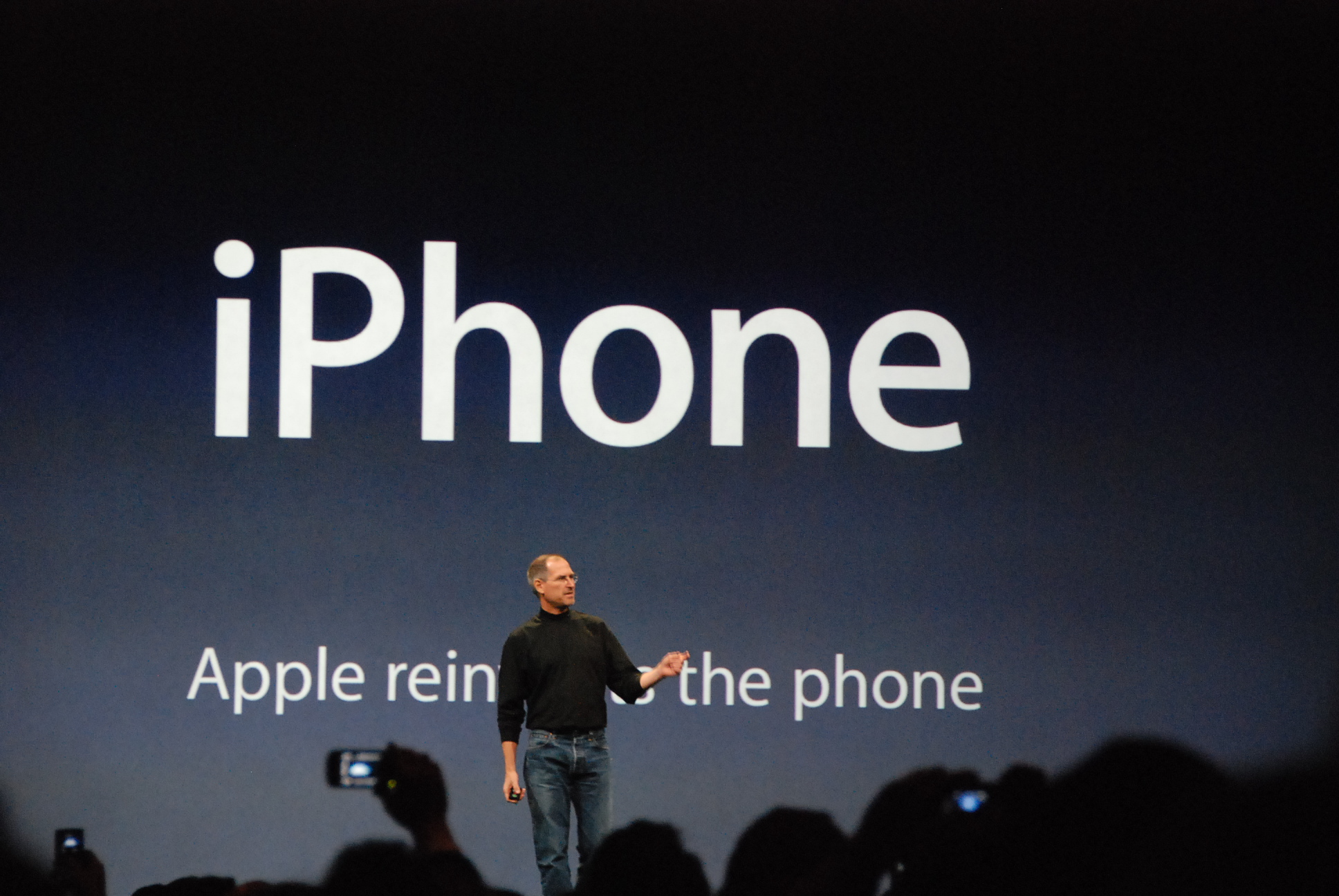
January 9, 2007. An iPod, a phone and an internet communicator — he repeats the list until the room realises it is one device. He saved the best part of almost every keynote for the very end.
( Palo Alto, October 5, 2011 )
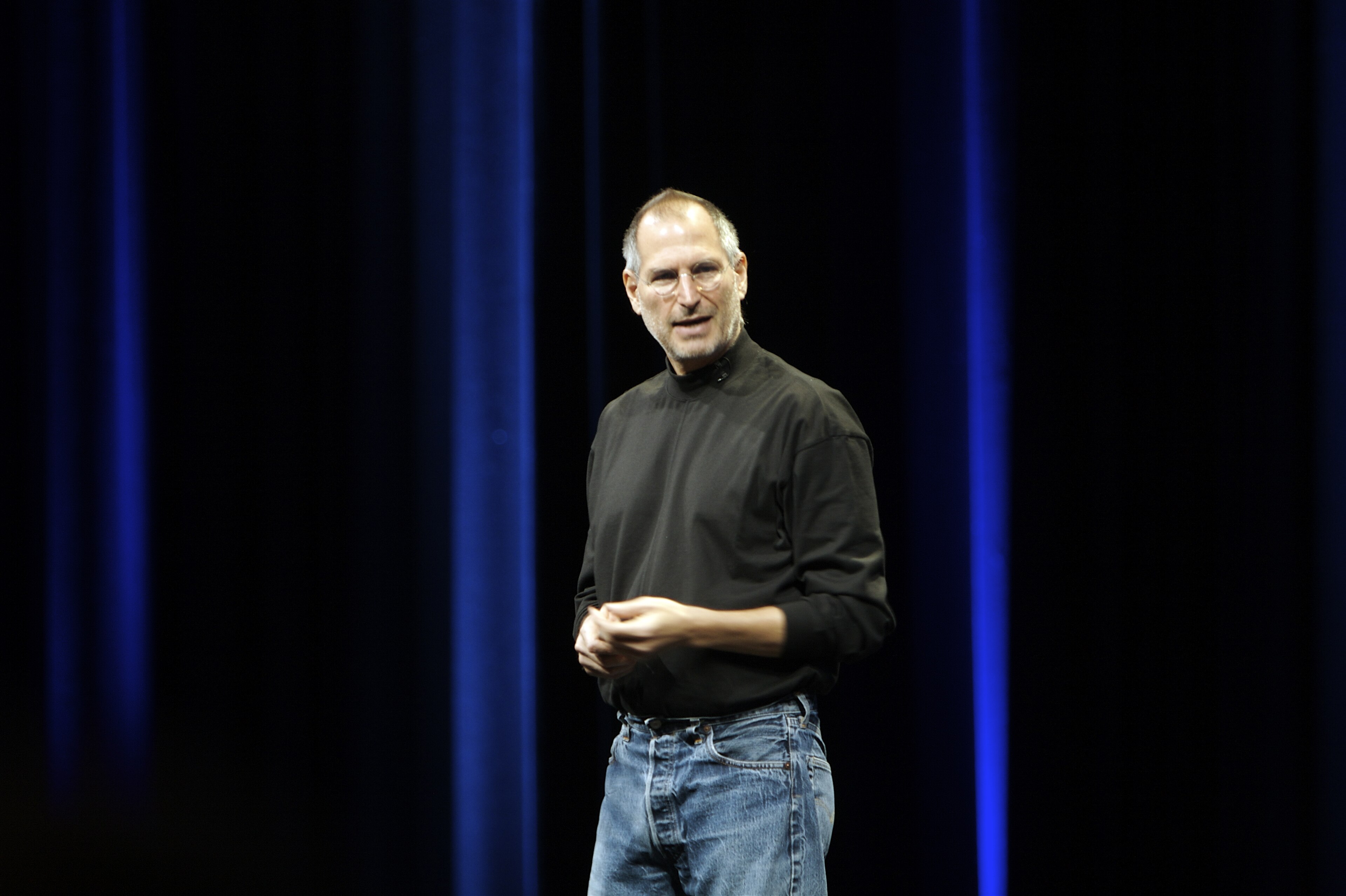
He died at home, surrounded by family, at fifty-six. In the days after, people covered the windows of Apple stores around the world with sticky notes, flowers and apples with one bite taken out.
A calligraphy class, a fired founder, a failing graphics shop, a cube nobody bought. None of it looked like a plan. Move your cursor through the years and watch them join up.
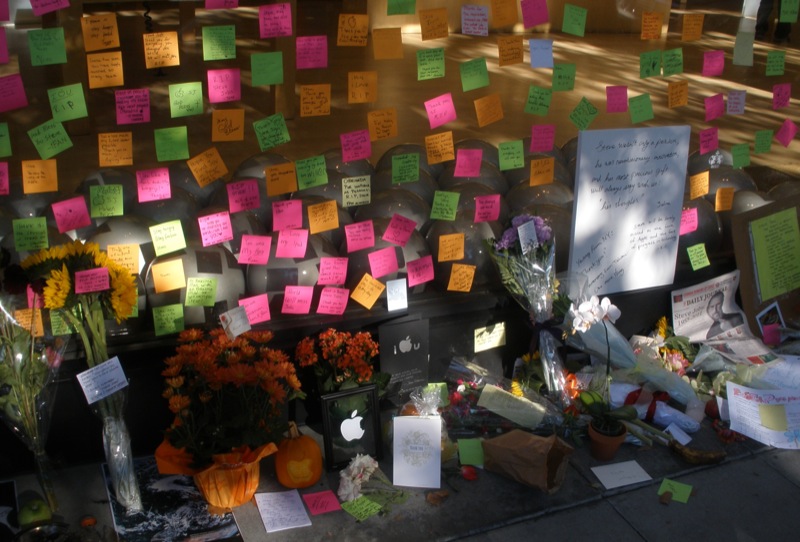
In 2011 people covered the glass in Palo Alto with sticky notes. Add one of yours to this wall. It stays in your browser.